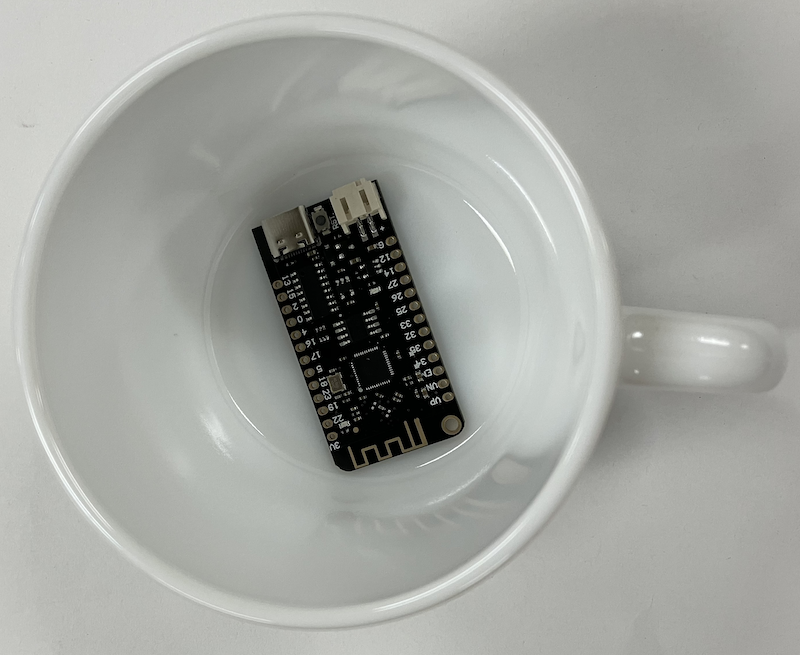
Portable
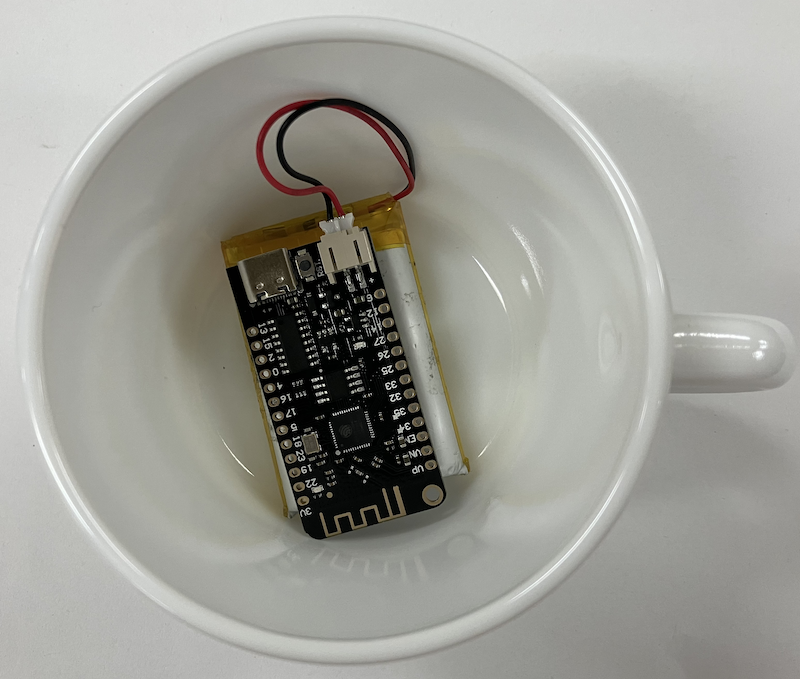
it has built-in battery interface charger for mobile applications.
Function
it performs 4 functions at once: WiFi scanner, Bluetooth scanner, Beacon scanner, Beacon broadcaster.
Online
it can collect data and be configured over the internet in realtime.
Time
it customises in LESS time than making a cup of coffee (e.g. 3 minutes).
Ultra Affordable
Mesh26 makes it affordable for compute owners to deploy their OWN infrastructure at home.
No more paying for home devices that are actually controlled by Cloud Compute remotely, with Radio Marker you can experience the advantages of having full control of the device you paid for.
Beside its cost and size, the most important feature of Radio Marker is how easy it is for everyday people to INDEPENDENTLY control 100% what it will or will not do.
Most Cloud Compute devices cannot be changed to function exactly as you like and probably will no longer work if the Cloud Compute is not available.
MS26 hardware is available at ultra low-cost e.g. from Aliexpress.
At 15 unit purchase volume (including tax and freight from China to Sydney):
Price check date
Per unit price
AU$ Price Change
2025-01-23
AU$3.51
0%
2025-06-17
AU$4.21
20%
2025-11-10
AU$4.19
0%
As shown in above table there is a 20% increase in AU$ price within 6 months but then the price stabilised, we expect in 2026 the fully delivered cost of MS26 to remain around the price of a cup of coffee in many countries (e.g. AU$4.50 in Australia)
Considering MS26's ability to prevent future pandemics, even as a pure public health investment, governments can afford to fund a MS26 for every citizen - which costs substantially LESS than that of a single COVID19 vaccine shot.
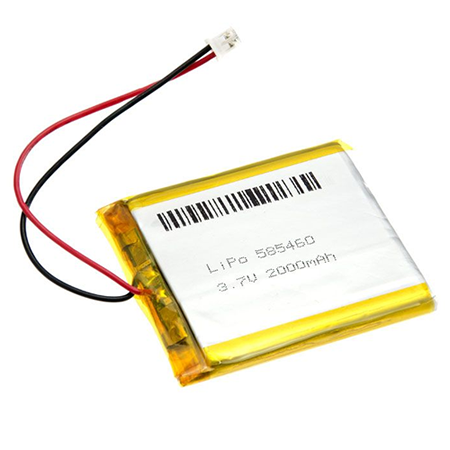
MS26's onboard battery charger support larger batteries, but 2000mAh is more than enough power for 24 hours of continuous operation for use in mobile and solar-powered applications.
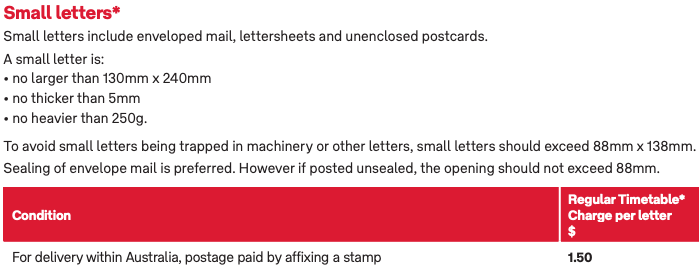
Cheap 50 x 75 mm resealable plastic bag (to protect Radio Marker with battery plugged in).
Thicker Bag
The resealable plastic bag is very thin but does help keep Radio Marker, the battery and the cable between them together as a single unit.
If you are dropping the whole thing into your backpack you might need a thicker bag.
Antistatic Bag
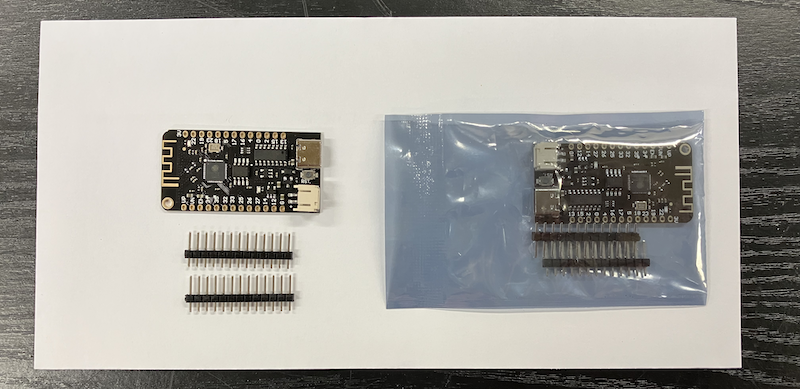
You cannot use the antistatic bag that comes with Radio Marker as that will block WiFi and Bluetooth signals. But you should keep that anti-static bag around, so you can reuse it to send your Radio Marker to next owner when you upgrade from a Wireless Station to a Home Station.
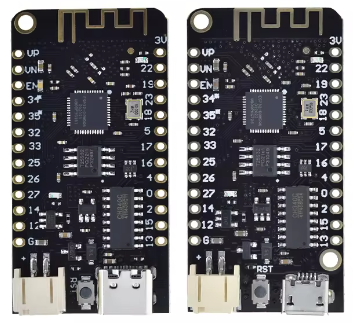
MS26 - on the LEFT in the above image is the USB Type-C version
MS26m - on the RIGHT in the above image is the Micro USB version
MS26m is still supported but should not be used if MS26 is available.
2. USB Chipset
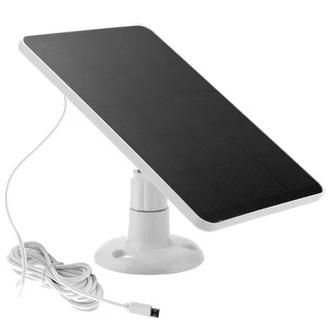
Most models use a CH340G or compatible USB chip, which prefers a 5.0V supply but can handle up to 6.5V maximum, so direct attach to solar panels with 6V output should be OK in most cases.
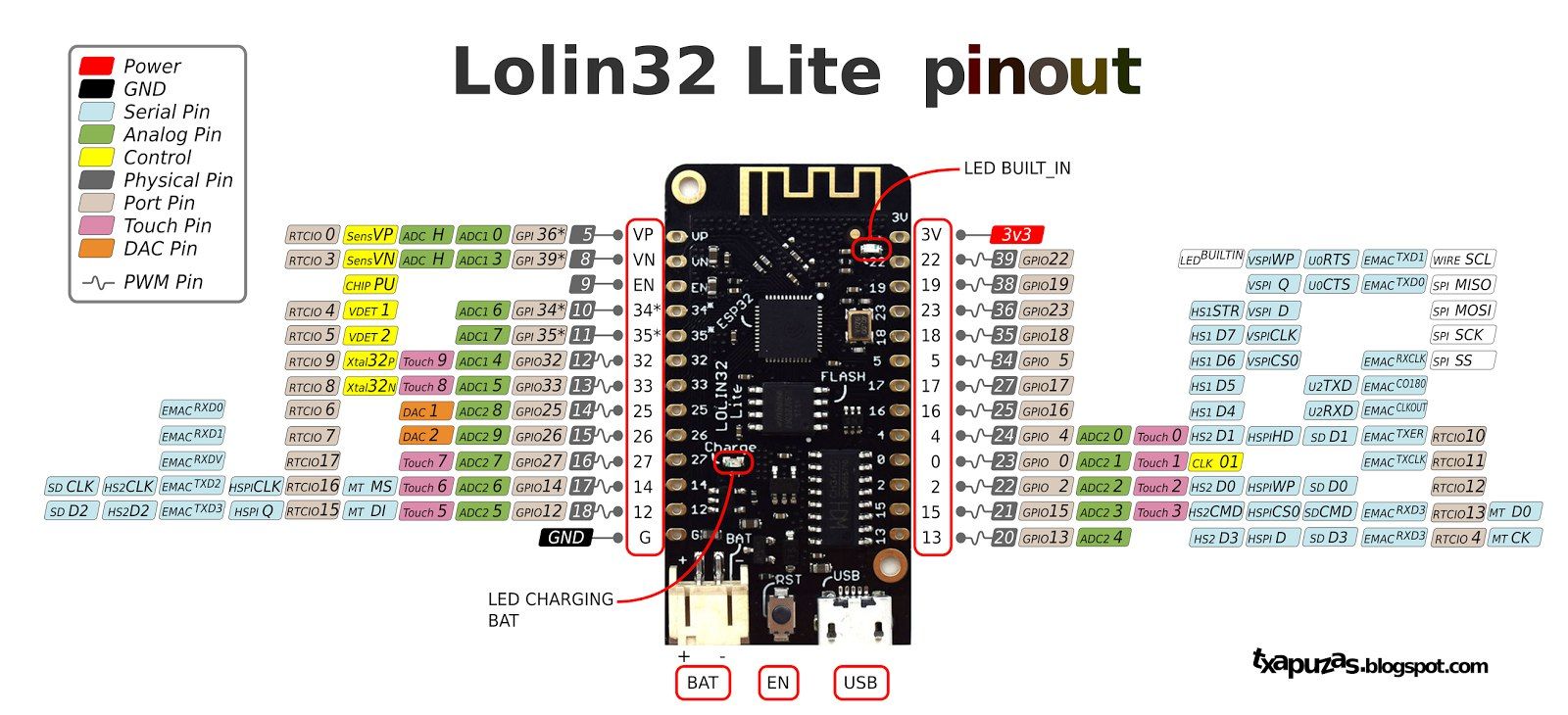
Mesh Station 2026 (MS26) is implemented with the Wemos Lolin32 Lite which has been discontinued, but MANY clones are still being manufactured and are available widely at ultra low cost.
Note there are TWO versions of Wemos Lolin, MS26 is the cheaper "Lite" version, NOT the "Standard" version:
Available Pins
Standard version
Lite version (MS26)
3V3
2
1
5V
1
–
GND
5
1
RX/TX
2
–
GPIO
21
21
MS26 has with 2 rows of 13-pin holes (2 rows of headers are supplied but NOT soldered on). Many other Mesh Stations are available if you want a Mesh Station with soldered in headers or you do NOT need the built-in battery charger in your Mesh Station.
• ESP32-D0WD chip - Dual Core but No Flash
• Xtensa 32-bit LX6 microprocessor
• Floating Point Unit
• DSP instructions (32-bit multiplier, a 32-bit divider etc.)
• 32 interrupt vectors from about 70 interrupt sources
• JTAG for debugging
Internal Memory
• 448 KB of ROM for booting and core functions
• 520 KB of on-chip SRAM (for data and instructions)
• 8 KB of Fast SRAM in RTC
• 8 KB of Slow SRAM in RTC
• 1 Kbit of eFuse: 256 bits for the system (e.g. MAC address) 768 bits for custom applications
Internal Network
• WiFi 802.11b/g/n
• WiFi 802.11n (20 MHz and 40 MHz)
• WiFi up to 150 Mbps of data rate
• WiFi up to 20.5 dBm of transmitting power
• Bluetooth v4.2 BR/EDR and Bluetooth LE
• Bluetooth Class-1, 2, 3 transmit power with dynamic control up to 24 dB
3. Other Components
Flash
Flash Size: 4MByte (32Mbit)
LED
General Purpose LED can be controlled on GPIO-22
Charging LED