Security Teams

Instant Security

Deploy a Cloud Compute compatible security layer of your own with just ONE CLICK.
Gain extra owner security protection instantly from emails to phone calls, from mobile apps to web sites.

Default Security Teams

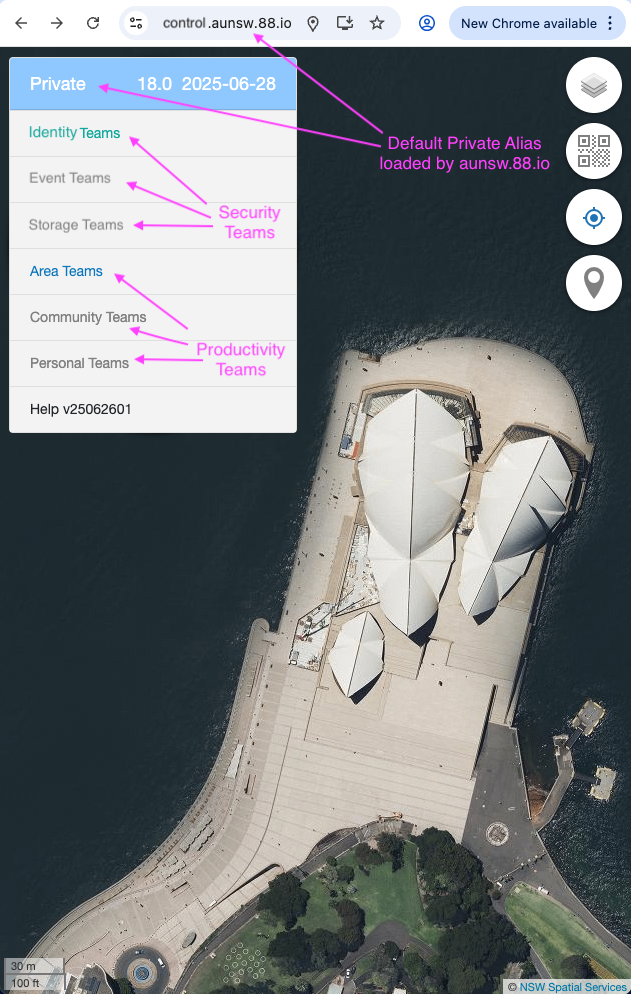
Currently there are 3 sets of security teams pre-loaded your Privacy Control:

  1. Alias Teams
  2. Fact Teams
  3. Device Teams

All teams work together under YOUR full control to ensure that your digital life is protected in the best possible way e.g. enable you to monetise your assets (not matter how small) in a secure manner.
Separation of Powers

Team Compute is the world's first deployment of Homomorphic Encryption at scale, enabling massive amount of sensitive data (e.g. daily movements of whole population) to be processed securely, delivering unprecedented benefits to every citizens.

For the first time in history individuals have FULL control of their identity:

  • Not their governments
  • Not their banks
  • Not their employers
  • Not their schools
  • Not their parents
  • Not their friends

For the first time, Compute Owners have MORE insight into themselves than any of the above. Yes, not even the Online Social Platform they use EVERYDAY have more control of their identity that the Compute Owners themselves.

A Space of Your Own

Private Cyberspace gives you an exclusive space for your data.

Never build your house on someone else's land.

With your own private cyberspace you can take back the control of your digital life and the value of your data from Cloud Services.

Private Cyberspace let's you store all your data privately, giving you exclusive access and benefits, without exposing your data to cloud compute.

Trust in ONE Second

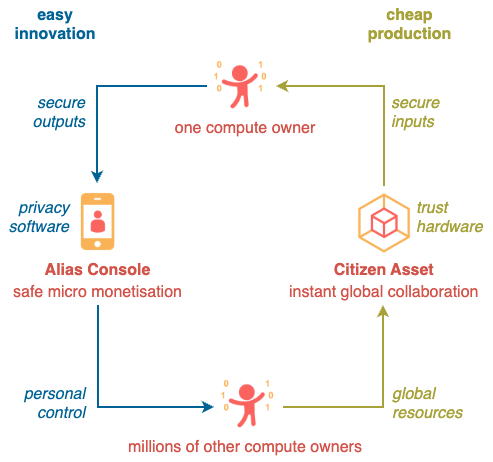
Private Cyberspace gives you an exclusive digital space to collect, store and control all your data, transforming you from an Compute User of Cloud Services (building up Cloud Platform assets) to an Compute Owner of Compute Assets (building up Your Own assets).

Private Cyberspace revolutionises online trust buy enabling everyone to establish attestable trust instantly (with a second).

One Second Verification

Private Cyberspace enables instant online data verification with its Fact Anchor technology.

Protecting stolen identity

No Security Barrier

No Security Barrier. Everyone (from tourists to presidents) can use their private cyberspaces to establish TRUST with attestable data, so they can identify contacts accurately, verify data rapidly and share data privately, without interference from cloud platforms.

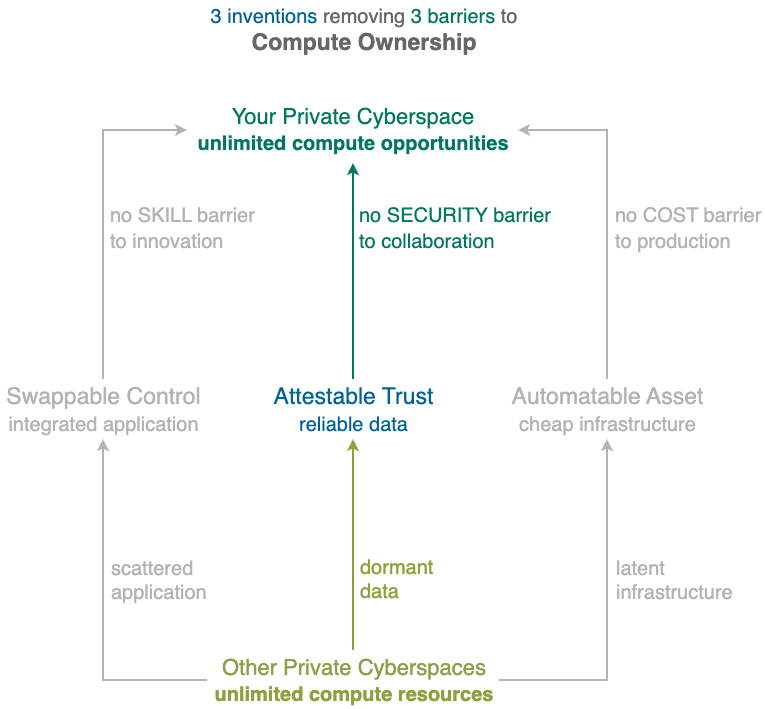
Attestable Data is one of the three main Private Cyberspace inventions.
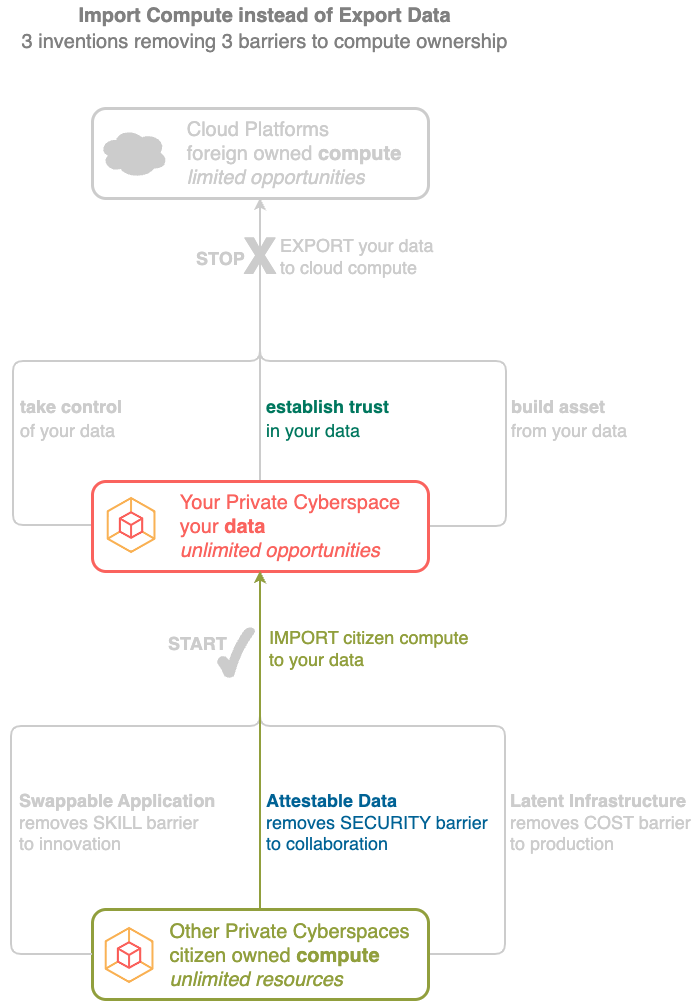
It solves the security problems associated with ubiquitous compute ownership.

Details: Attestable Data

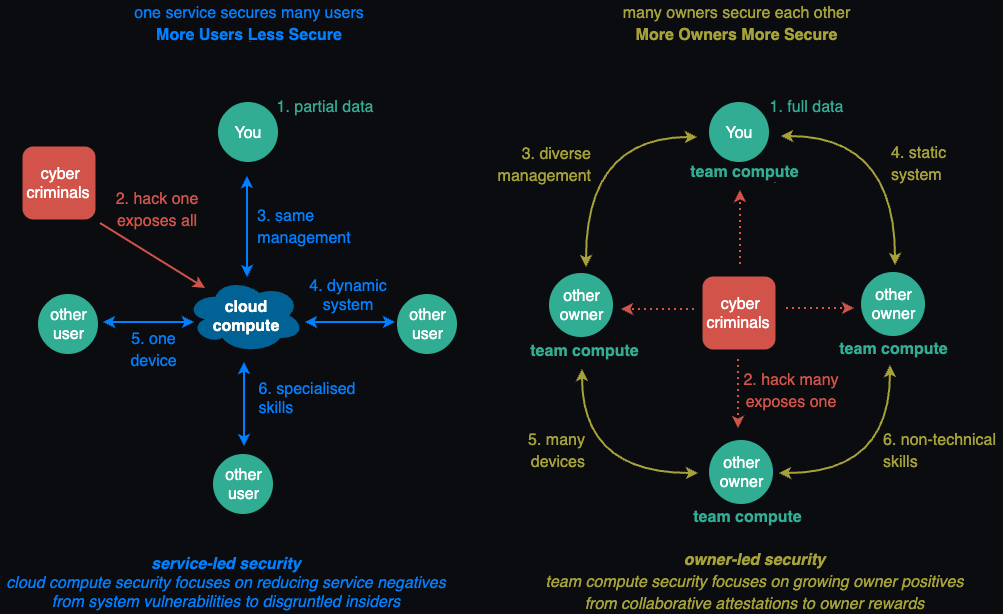
Compute Ownership enables Owner Driven Security which offers substantially better protection than traditional system based security.
Laws

Constrained by privacy laws and user's willingness to share data, Cloud Compute will NEVER by able to have enough data to
Team Compute's owner-specific security paradigm is the ONLY one that can protect the interests of everyone in the age of AI.
Cloud Security Fallacy

Amazon Weakness

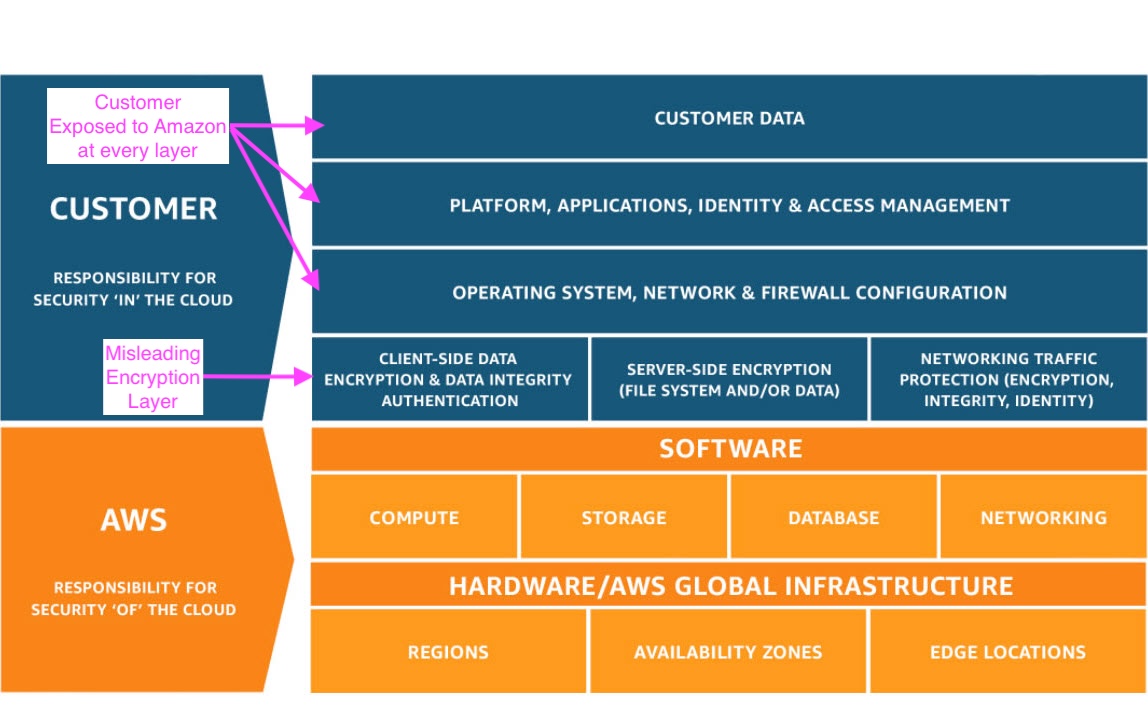
Amazon's shared responsibility model is a good example of the misleading separation of application (customer) with infrastructure (amazon).

The encryption layer in Amazon's diagram below gives a false impression of customer application protection from amazon's underlying infrastructure - when there is NONE.

Government Security Fallacy

Cybersecurity Framework

Easy Security

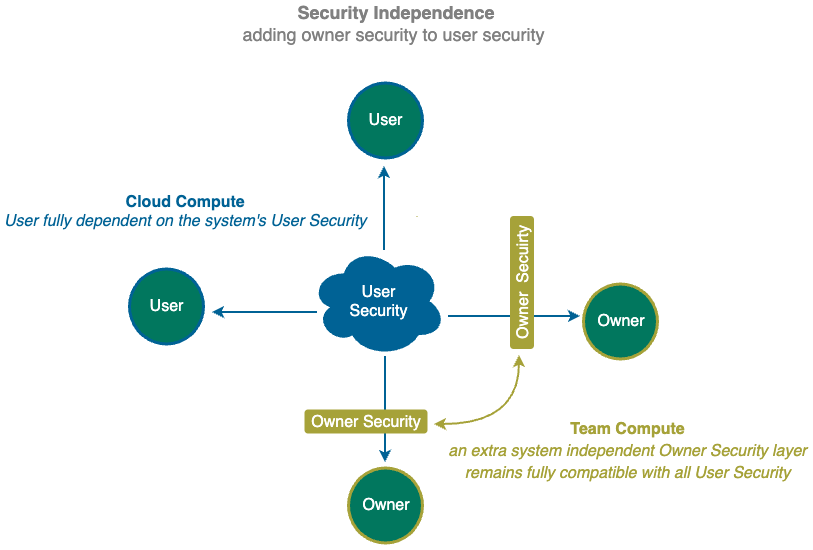
Cloud Security is there to protect the Cloud's interests NOT yours. Team Compute a personal independent layer of security
a fundamentally flawed as a protector of your data because they are their to protecyou have ZERO control of where your data is stored, who has access to it, when terms and conditions can change etc.

The above poor deal is actually the best case scenario, assuming the Cloud never got hacked, its employee never go rogue, its directors never got pressured e.g. fake end-to-end security.

Basically your security ALWAYS come after its profits.

Cloud vs Owner Security

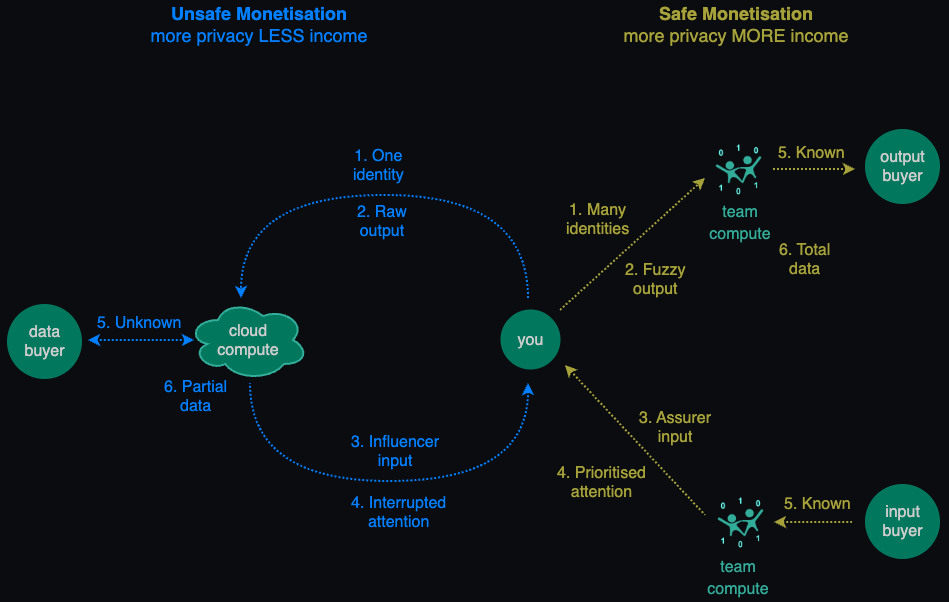
1. One vs Many Identity

Cloud Compute ties your ONE identity with your services, leaving you totally exposed across all your activities.

Team Compute creates MANY service independent identities, so no one (except you) knows which alias is used for which service.

2. Raw vs Fuzzy Output

Cloud Compute collects your RAW data and exposes them to unknown buyers in ways that benefit the cloud instead of you.

Team Compute FUZZIFY your data to levels appropriate for individual buyers, raw data is not normally disclosed to ensure continuous income.

3. Assurer Input

Cloud Compute profits by INFLUENCING your behaviour either for itself or on behalf of its clients.

Team Compute profits by ASSURING that data you receive are truthful. Tell instantly how trustworthy is for everything online.

4. Prioritised Attention

Cloud Compute INTERRUPTS your attention through ads and notifications based on their algorithms for their profits.

Team Compute PRIORITISE all incoming requests (even from unknown parties) so you can maintain your chain of thought without interruption.

5. Known Buyer

Cloud Compute sells your data and influences you WITHOUT disclosing the buyers.

With Team Compute, you KNOW who the buyers of your compute and data are.

6. Total Data

Cloud Compute is limited by privacy laws on what data it can collect and how long to store the data, they can only PARTIALLY sell your data.

Team Compute is not limited by any law, since you exclusively own compute and data TOTALLY, you can store and sell all or none of them.

1. Minimum vs Maximum Data

Constrained by privacy laws and user's willingness to share data, Cloud Compute does NOT have enough data to secure its services.

Team Compute has access to each owner's complete data as well as data from other owners to enforce security.

Multiple Devices

Cloud Compute mainly use your phone for identification, sending SMS to the same device using an app is NOT multi-factor authentication, letting someone point your phone at your face to unlock is NOT safe.

Team Compute is secures your identity with thousands of devices owned by different people, making it very difficult to compromise.

Team Compute integrates security into the daily activity of compute owners, everyone collaborates without advanced knowledge or skills.

2. Static vs Dynamic Logic

Cloud Compute has a monolithic top-down management structure resulting in limited perspectives, talents and resources.

Team Compute management is as diverse as the number of owners who form and disband teams on demand in realtime, bringing along their unique contributions to each team.

Hack one system exposed ALL users

Hack one device is enough.

3. Proprietary vs Universal Security

Cloud Compute security is varies CONTINUOUSLY as services and systems are introduced and updated.

Team Compute security is service and system INDEPENDENT, concerning ONLY with the process of verifying of the identities of the end points, create a static requirement that can easily be optimised.

4. Large vs Small Target

Hackers can focus their attack on ONE Cloud Compute service to expose all its users' data.

Non-technical skills vs specialised skills

Cloud Compute needs to support many remote users and staff with concurrent access to the same data, making it overwhelming complex and difficult to secure even for highly technical highly paid engineers.

Team Compute data are scattered across many independent owners, hackers need to attack MANY in order to expose one owner's data.

Infinite Scale

Owners can increase or decrease the Privacy and Trust of any App at will
simply y adjusting the number of Compute Teams used for that App

Single-Sign-On Problem (SSO)

Apple, Google, Microsoft, and other SSO providers have the ability to impersonate any user on their platform when authenticating to third-party apps. This is because:

  • They control the identity token issuance (JWTs, OAuth tokens, SAML assertions)
  • They hold the private signing keys that third-party apps trust
  • A third-party app has no way to distinguish a token issued at the user's request from one issued without it

When your app says "trust tokens signed by Google," you're trusting everything Google signs — including anything Google could generate itself.